
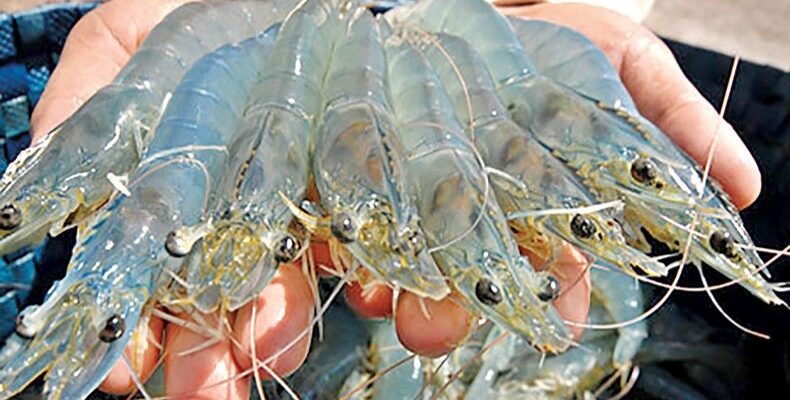
Vannamei shrimp (Litopenaeus vannamei) farming has emerged as one of the most promising sectors in Bangladesh’s aquaculture industry. Compared to Black Tiger Shrimp (Penaeus monodon), Vannamei shrimp grow much faster and offer significantly higher production yields. With proper planning, technology, and farm management, Vannamei shrimp farming can be an extremely profitable enterprise.
Vannamei Shrimp Farming Methods, Do’s and Don’ts
Vannamei shrimp are primarily cultured under semi-intensive or intensive farming systems. Traditional extensive farming methods are generally not recommended due to the increased risk of disease outbreaks.
1. Pond/Gher Selection and Preparation
Do’s
Select an Open Location
The pond or gher should be situated in an open area with adequate exposure to sunlight.
Suitable Soil Type
Clay, clay-loam, and sandy-loam soils are ideal for Vannamei shrimp culture.
Remove Aquatic Weeds
All floating and submerged aquatic weeds should be eliminated before stocking.
Apply Agricultural Lime
Apply 1–2 kg of lime per decimal (approximately 40 m²). Lime helps neutralize soil and water acidity, reduces turbidity, and enhances fertilizer efficiency.
Fertilization
Apply fertilizers 7–10 days after liming to promote natural productivity.
Maintain Adequate Water Depth
Ensure sufficient water depth throughout the culture period.
Aeration System
Install adequate aeration facilities, such as paddlewheel aerators, as intensive Vannamei culture requires high dissolved oxygen levels.
Water Disinfection
Water should be properly disinfected before stocking to prevent viral and bacterial infections.
Don’ts
- Avoid highly acidic or highly alkaline soils.
- Do not allow aquatic weeds to remain in the pond.
- Avoid ponds that receive insufficient sunlight.
2. Seed Selection and Stocking
Do’s
Use Healthy and Disease-Free Seed
Stock only certified SPF (Specific Pathogen Free) or SPR (Specific Pathogen Resistant) post-larvae.
Purchase from Licensed Hatcheries
Always source shrimp seed from government-approved and reputable hatcheries.
Ensure Careful Transportation
Handle and transport post-larvae carefully to prevent physical injury and stress.
Maintain Proper Stocking Density
For intensive culture systems, stock at recommended densities.
- PL-12 or larger post-larvae are preferred.
- With sufficient aeration and proper management, 15–20 post-larvae per square meter can be stocked.
Acclimatize Before Release
Stock post-larvae during the early morning or evening. Gradually acclimatize them to pond water conditions by floating and conditioning them for approximately one hour before release.
Don’ts
- Never purchase seed from unknown or unreliable sources.
- Do not stock diseased, weak, or stressed post-larvae.
- Avoid excessive stocking densities, which can hinder growth and increase disease risks.
3. Feed Management
Do’s
Use High-Quality Feed
Commercial Feed
Use specialized Vannamei shrimp feed containing 35–40% protein.
- Feed four times daily during the first month.
- Reduce feeding frequency to two or three times daily thereafter.
Natural Feed Production
Apply fertilizers such as urea and TSP (Triple Super Phosphate) to encourage phytoplankton growth, which serves as a natural food source.
Provide Balanced Nutrition
Use nutritionally balanced feed formulations to meet all dietary requirements.
Maintain Salinity Levels
During heavy rainfall, salinity may decrease significantly. Adjust salinity by adding saline water when necessary.
Follow a Regular Feeding Schedule
Feed according to shrimp size, biomass, and growth rate.
Proper Feed Storage
Store feed in a clean, dry, well-ventilated, and hygienic environment.
Follow the “First In, First Out” (FIFO) Principle
Use older feed stocks before newer ones to maintain freshness and quality.
Minimize Feed Waste
Apply only the required amount of feed to prevent water quality deterioration.
Don’ts
- Do not use spoiled, stale, expired, or poor-quality feed.
- Avoid overfeeding, which can pollute water and increase disease risks.
- Do not underfeed shrimp, as inadequate nutrition negatively affects growth performance.
4. Water Quality and Health Management (Biosecurity)
Do’s
Monitor Water Quality Regularly
Test water quality parameters frequently.
Recommended Water Quality Standards:
| Parameter | Recommended Range |
|---|---|
| Temperature | 28–32°C |
| pH | 7.5–8.5 |
| Dissolved Oxygen (DO) | > 5 mg/L |
| Total Ammonia Nitrogen (TAN) | < 0.5 ppm |
| Nitrite (NO₂⁻) | < 1 ppm |
Water Exchange and Treatment
Replace 10–20% of pond water weekly and maintain adequate aeration.
Disease Monitoring and Record Keeping
Maintain detailed records of disease occurrence, diagnosis, treatments, and preventive measures.
Common Diseases
White Spot Syndrome Virus (WSSV)
A highly contagious and devastating disease capable of causing rapid mortality.
Enterocytozoon hepatopenaei (EHP)
A disease that severely affects shrimp growth and production efficiency.
Maintain Physical Biosecurity
Farm infrastructure should be designed to minimize exposure to external contamination and disease vectors.
Disinfect Equipment
All equipment, including nets, baskets, buckets, gloves, and other farm tools, should be thoroughly cleaned and disinfected before use.
Regular Farm Inspection
Follow guidance provided by fisheries officers and regulatory authorities during farm inspections.
Staff Training
Farm owners and workers should receive training in:
- Biosecure farm operation
- Seed and product transportation
- Shrimp husbandry
- Product handling and storage
- Personal hygiene
Maintain Farm Records
Keep detailed records of:
- Seed purchases
- Feed usage
- Medications and chemicals
- Dosages and application dates
- Sources and reasons for use
Don’ts
Avoid Using Contaminated Water
Never use untreated or polluted water directly in culture ponds.
Prevent Entry of Unwanted Animals
Restrict access by rodents, mongooses, birds, and other potential disease carriers.
Prohibited Chemicals and Antibiotics
The use of unauthorized antibiotics and chemicals is strictly prohibited.
Examples include:
Antibiotics
- Nitrofurans
- Chloramphenicol
Chemicals
- Malachite Green
- Methylene Blue
Pesticides
- Thiodan
- Endrin
Disease Eradication Procedures
If any disease listed by the World Organisation for Animal Health (WOAH/OIE) is detected, infected shrimp must be destroyed in the presence of fisheries authorities, followed by complete farm disinfection.
Do Not Use Livestock Manure
Manure or fecal waste from domestic animals and poultry should never be used as fertilizer in Vannamei shrimp ponds.
5. Harvesting and Post-Harvest Management
Do’s
Harvest at Marketable Size
Notify the relevant fisheries authority before harvesting. Vannamei shrimp are generally ready for harvest within 90–110 days, reaching an average weight of 30–40 grams.
Harvest During Cooler Hours
Early morning harvesting is recommended to minimize stress and preserve product quality.
Proper Storage
Place harvested shrimp in clean plastic containers or baskets under shaded conditions and immediately preserve them with sufficient ice.
Hygienic Transportation
Store and transport shrimp under hygienic conditions to prevent contamination and quality deterioration.
Don’ts
Inadequate Freezing
Do not delay freezing or cold storage after harvest. Shrimp intended for frozen markets should be stored at approximately –18°C.
Use of Dirty Containers
Never store harvested shrimp in unclean containers.
Exposure to Direct Sunlight
Avoid leaving harvested shrimp exposed to sunlight for extended periods.
Conclusion
Vannamei shrimp farming is a highly profitable aquaculture venture, but success depends on proper technical knowledge, professional training, and strict biosecurity practices. Farmers should consult fisheries experts and follow the guidelines of the Department of Fisheries before implementing any farming activities.
