
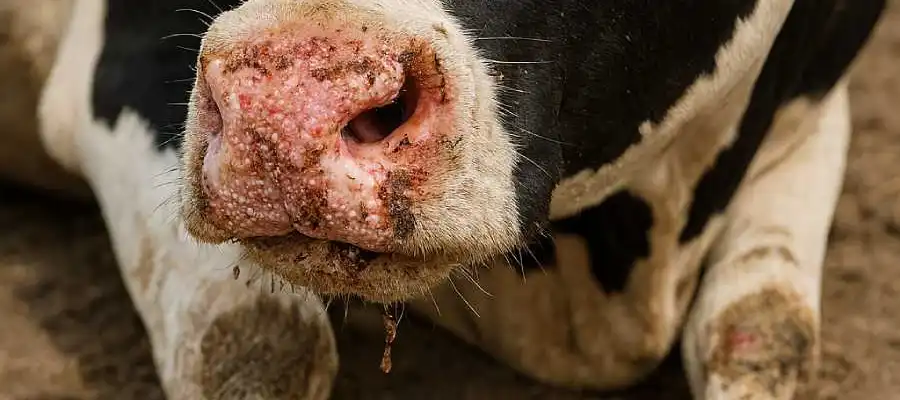
Foot and Mouth Disease (FMD) is a highly contagious viral disease affecting cloven-hoofed animals such as cattle, buffalo, goats, sheep, and pigs. In Bangladesh, the A, O, and Asia-1 serotypes are the most prevalent. To combat this, a Trivalent Vaccine (O, A, Asia-1) is currently used in the country, providing protection against these three primary virus types.
Symptoms of the Disease
Infected animals typically exhibit the following signs:
-
High Fever: Sudden onset of fever (up to 104°F or 40°C).
-
Blisters: Formation of vesicles/blisters on the mouth, tongue, lips, and hooves.
-
Excessive Salivation: Profuse drooling or foaming from the mouth.
-
Lameness: Limping or constant stamping of feet on the ground.
-
Reduced Yield: Significant drop in milk production.
-
Sudden Death in Calves: Known as “Tiger Heart Syndrome,” leading to heart failure in young animals.
Modes of Transmission
-
Saliva, milk, feces, urine, and breath of infected animals.
-
Contaminated feed, water, or farm equipment.
-
Indirect transmission via humans, dogs, birds, or vehicles.
Steps to Control FMD
1. Strengthening Vaccination Programs
-
Vaccinate livestock every 6 months.
-
Quarantine new animals before introducing them to the farm.
2. Isolation of Infected Animals
-
Separate sick animals from healthy ones and keep them in a dry, clean place.
-
Provide medication and supportive care as per a veterinarian’s advice.
3. Farm Bio-security and Sanitation
-
Regularly use lime, bleaching powder, or approved disinfectants.
-
Disinfect hands and footwear before entering the farm premises.
4. Food and Water Safety
-
Ensure a supply of clean water and nutritious feed.
-
Avoid using contaminated fodder or water sources.
5. Seasonal Precautions
-
The prevalence of the disease increases during the onset of monsoon and winter; take extra precautions during these periods.
Awareness and Training
-
Train farmers, livestock owners, and the local community on disease symptoms and prevention.
-
Maintain regular contact with the local Department of Livestock Services (DLS) office.
Conclusion: Prevention is the best way to control Foot and Mouth Disease. By following four key steps—regular vaccination, maintaining farm hygiene, isolating infected animals, and increasing awareness—it is possible to protect livestock productivity and prevent significant financial losses for the farm.
