
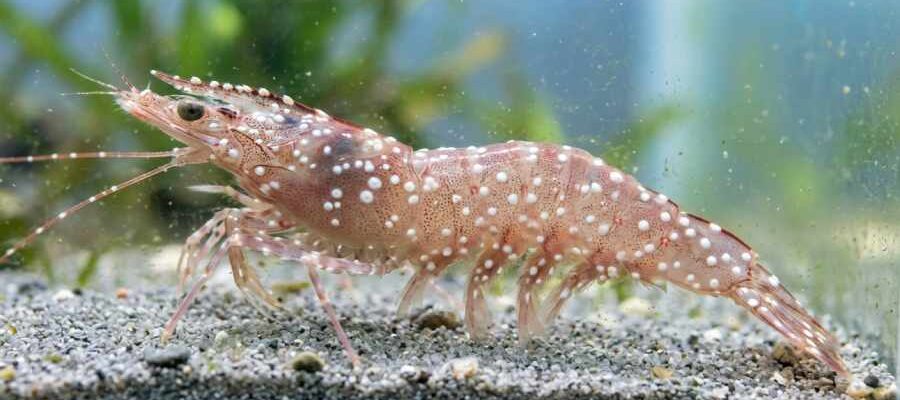
Vannamei shrimp (Litopenaeus vannamei) cultivation is rapidly transforming the aquaculture sector with its high-yield potential. However, intensive farming conditions make these shrimp highly vulnerable to various pathogens. For farmers to protect their investments and maximize profitability, understanding the early warning signs, triggers, and preventive measures of major shrimp diseases is absolutely critical.
Here is a simplified, expert-backed guide to the seven major diseases in Vannamei shrimp culture and how to tackle them.
1. White Spot Disease (WSD)
The Threat: WSD is one of the most devastating and fast-spreading viral infections in global shrimp farming. It boasts an extremely high mortality rate—infected shrimp begin dying within 2–3 days, and up to 80–90% of the pond population can be wiped out within a week.
-
Symptoms: Distinct white spots (up to 2 mm in diameter) on the shell (carapace) and body. The shrimp’s body and legs turn reddish, the shell becomes loose, and the animals grow noticeably weak.
-
Management: There is no cure for WSD. Prevention is your only defense. Always source PCR-tested, Specific Pathogen-Free (SPF) seeds from registered hatcheries. Install crab fencing and bird netting around your ponds to block wild vectors. If an outbreak occurs, emergency-harvest immediately and disinfect the water rigorously before discharging it.
2. Vibriosis / White Gut Disease
The Threat: This common bacterial infection is caused by Vibrio bacteria and typically strikes when shrimp are under heavy environmental stress.
-
Symptoms: Shrimp swim abnormally or float near the surface. They display cut antennas (which feel rough to the touch), red tails (uropods), and pinkish legs. Internally, the gut turns milky white, and the hepatopancreas (organ inside the head) appears cloudy or dark reddish-brown.
-
Triggers: Poor water quality, sudden temperature spikes, over-stocking, low dissolved oxygen, or irregular water exchange.
-
Management: Maintain strict pond sanitation. Avoid overcrowding, disinfect intake water, and regularly apply high-quality probiotics to suppress harmful bacterial loads. Consider partial harvesting if an infection breaks out to reduce biomass stress.
3. White Faeces Syndrome (WFS)
The Threat: WFS severely damages the shrimp’s digestive tract and internal organs, causing slow growth and critical economic losses during the moulting phase.
-
Symptoms: Strands of white feces floating on the pond surface. The shrimp’s digestive tract looks completely white. Impacted shrimp exhibit a drastic drop in feed consumption, stagnant growth rates, and massive size variations.
-
Triggers: Poor-quality feed contaminated with mold toxins (mycotoxins), heavy bacterial loads, low-quality seed, or internal parasites like EHP.
-
Management: Keep stocking densities low, enforce strict feed management to avoid overfeeding, utilize water probiotics, and maintain top-tier water quality.
4. EHP (Hepatopancreatic Microsporidiosis)
The Threat: Caused by a microscopic parasite (Enterocytozoon hepatopenaei), EHP targets the shrimp’s digestive system. While it does not cause sudden mass mortality, it completely destroys profit margins by stunting growth.
-
Symptoms: Severe growth delays and extreme size variation within the same pond (some remain tiny while others grow normally). Shrimp suffer from reduced appetite and completely empty guts.
-
Management: Ensure all seeds are sourced from clean, EHP-negative broodstock. Implement rigorous pond preparation (drying and liming) and strict biosecurity to eliminate resilient parasite spores from the soil.
5. Running Mortality Syndrome (RMS)
The Threat: RMS is characterized by continuous, low-level shrimp mortality occurring daily. It typically manifests 35 to 40 days into the culture cycle and peaks around day 90.
-
Symptoms: Early signs include white spots specifically on the 2nd and 4th tail segments. Look for broken antennas, red tails, and yellow or white waste inside the gut. The hepatopancreas turns yellowish-red, followed by the entire body turning dark red.
-
Crucial Note: Dead shrimp sink to the bottom of the pond rather than floating. Farmers often only notice the issue when checking feed trays.
-
Management: Clean the pond bottom regularly and siphon out dead shrimp daily. If mortality spikes, reduce feed rations for a few days, optimize water exchange, and consider an early partial harvest to relieve pond pressure.
6. Black Gill Disease (BGD)
The Threat: This condition occurs when the shrimp’s respiratory organs (gills) become clogged, damaged, or infected by opportunistic fungi.
-
Symptoms: Gills gradually discolor, shifting from orange-yellow to light brown, and finally turning completely black. Due to respiratory distress, shrimp can be seen gasping for air near the water surface or oxygen aerators.
-
Triggers: Inadequate pond bottom cleaning prior to stocking, heavy accumulation of organic black sludge, lack of water exchange, and insufficient aeration.
-
Management: BGD is easy to prevent and cure. Exchange water frequently to flush out suspended organic waste. Run additional paddle wheels to maximize dissolved oxygen. In acute cases of gasping, immediately apply oxygen-enhancing powder to the pond.
7. Muscle Cramp Syndrome & White Muscle Disease
The Threat: These are non-infectious, physiological conditions caused by environmental shock that damages the shrimp’s flesh.
-
Symptoms: The shrimp’s muscles turn milky-white instead of staying clear and translucent. Shrimp become physically stiff, show visible muscle cramping, grow weak, and cease feeding.
-
Triggers: Sudden shifts in water temperature, mineral deficiencies (lack of magnesium or calcium), poor-quality feed, or sudden drops in dissolved oxygen.
-
Management: Minimize stress factors. Maintain a stable water depth to buffer against temperature spikes. Ensure a balanced mineral profile in the water and optimize nutrition.
Summary Checklist: The Golden Rules of Biosecurity
To ensure a disease-free, high-yield harvest, every Vannamei farmer should implement these foundational biosecurity rules:
| Focus Area | Core Action Required |
| Seed Selection | Source only certified, SPF (Specific Pathogen Free) seeds. Never compromise on seed quality. |
| Soil & Water | Thoroughly dry and treat pond bottoms. Use quality probiotics throughout the cycle to digest toxic organic sludge. |
| Aeration | Maintain a sufficient number of paddle wheels/aerators, especially during peak summer or late at night. |
| Farm Hygiene | Keep farm gates secure. Dip nets and tools in disinfecting solutions (e.g., Potassium Permanganate) and maintain entry footbaths. |
