
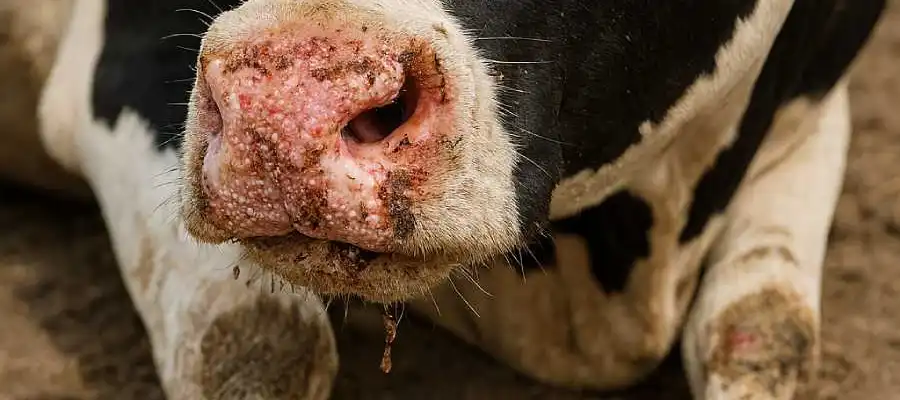
Livestock farmers across Bangladesh are on high alert as Foot and Mouth Disease (FMD), locally known as Khuira, continues to pose a significant threat to cattle, buffalo, goats, sheep, and pigs. As a highly contagious viral infection, FMD can cause severe economic losses, making prevention and control measures critical for the nation’s agricultural sector.
In Bangladesh, the disease is primarily driven by three serotypes: A, O, and Asia-1. To combat these prevalent strains, authorities are utilizing a trivalent vaccine (O, A, Asia-1) , which provides comprehensive protection against the existing virus types.
Understanding the Threat: Key Symptoms
Farmers and livestock keepers are advised to watch for the following clinical signs of FMD in their animals:
Sudden Fever: Temperatures can spike up to 40°C.
Blister Formation: Vesicles develop in the mouth, on the tongue, lips, and on the hooves (khura).
Excessive Salivation: Affected animals often drool profusely.
Lameness: Animals may limp, refuse to walk, or stamp their feet due to hoof pain.
Reduced Milk Production: A sudden drop in dairy output is a common indicator.
Sudden Death in Calves: Young animals can succumb to “Tiger Heart Syndrome,” a fatal heart condition linked to the virus.
How FMD Spreads
FMD is notoriously contagious and can be transmitted through:
-
Direct contact with saliva, milk, urine, or breath of infected animals.
-
Contaminated feed, water, and equipment.
-
Indirect transmission via humans, dogs, birds, and vehicles moving between farms.
A 5-Point Action Plan for FMD Control
To safeguard livestock and livelihoods, experts recommend a strict adherence to the following biosecurity measures:
1. Strengthen Vaccination Programs
-
Vaccination is the most effective shield. Farmers must administer the trivalent vaccine every six months.
-
New animals should be kept in quarantine before being introduced to the main herd.
2. Isolate Infected Animals
-
Immediately separate sick animals from healthy ones and house them in a dry, clean environment.
-
Provide supportive care and medications as prescribed by a veterinarian.
3. Maintain Farm Sanitation
-
Regularly disinfect sheds using lime, bleaching powder, or approved disinfectants.
-
Sanitize shoes and hands before entering the farm premises to prevent introducing the virus.
4. Ensure Food and Water Safety
-
Provide clean, uncontaminated drinking water and nutritious feed.
-
Avoid using feed or water sources that may have been exposed to infected animals.
5. Seasonal Vigilance
-
The risk of FMD transmission increases significantly during the monsoon and early winter seasons. Farmers are urged to exercise extra caution during these periods.
The Role of Awareness and Training
Sustainable FMD control requires a community-wide effort. Stakeholders are calling for increased training programs to help farmers, herders, and local communities recognize early symptoms and implement effective prevention strategies. Maintaining regular communication with local livestock offices is also crucial for timely intervention.
Conclusion
While FMD remains a persistent challenge, experts agree that prevention is the best cure. By adhering to a disciplined routine of regular vaccination, strict farm sanitation, immediate isolation of sick animals, and heightened awareness, farmers can significantly reduce productivity losses and protect their livestock from this devastating disease.
